

The Art of Purposeful Living: Designing for Connection and Comfort
In the modern landscape of interior design, we are seeing a profound shift away from excessive square footage toward intentional, high-functioning small spaces. As an expert in the field, I have observed that the most successful homes today are not those with the most room, but those that master the balance between emotional connectivity and smart functionality. Drawing inspiration from innovative urban dwellings, such as the 57sqm open-air homes found in Tokyo, we can see how specific design choices directly influence our daily comfort and psychological well-being.
Blurring the Lines: The Inside-Outside Connection
One of the most significant current trends is the integration of nature into the domestic core. Beyond just adding houseplants, designers are now treating the sky and natural light as architectural materials. For instance, creating a living area with “no roof” allows the sky to become a universal element of the home, regardless of the city you live in.
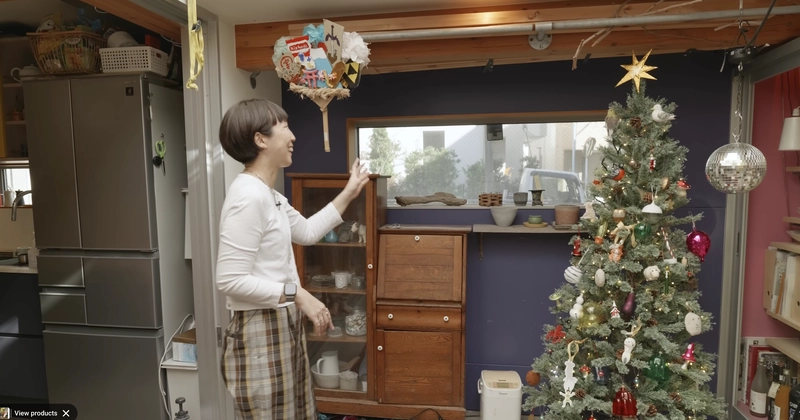
To achieve a seamless transition between interior and exterior, use consistent color palettes. By using the same colors for both indoor and outdoor zones, you can trick the eye into perceiving two separate areas as one continuous space. This connection to the environment is not merely aesthetic; it is a vital tool for mood regulation, offering a sense of “brightening” and expansion even in compact quarters.
Designing for Emotional Connectivity
In large, compartmentalized houses, family members often become isolated. A growing trend in modern design is the “connected layout,” where the architecture allows you to “feel what’s going on” throughout the home. Whether it is the sound of laughter from another room or a window placed strategically between the bathroom and the living area, these choices foster a sense of togetherness.
Expert Advice: If you are designing for a family, prioritize sightlines. Being able to hear or see loved ones while performing daily tasks—like cooking or bathing—strengthens familial bonds and reduces the feeling of domestic isolation.
The Power of Multi-Functional Curation
Modern interiors are moving away from “swank” and toward sustainable, collectible design. Every object must earn its place. A living room, for example, can be defined by just three anchor pieces: a sofa, a TV, and a piano.
To maintain a clutter-free yet soulful home, I recommend the following specific design strategies:
• Hybrid Furniture: Replace traditional ladders with ladder-shelf combinations. This saves space while providing essential storage for books and art.
• Dynamic Zoning: Use heavy curtains or sliding doors to separate floors or provide privacy for guests without the need for permanent walls.
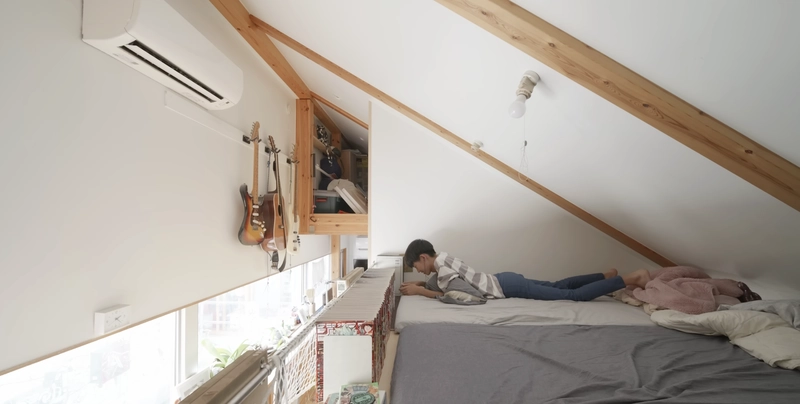
• Flexible Flooring: In bedrooms, consider the traditional Japanese approach of using futons and foldable tables. This allows a sleeping area to transform into a spacious playroom or study during the day.
Infusing Personality through Color and Art
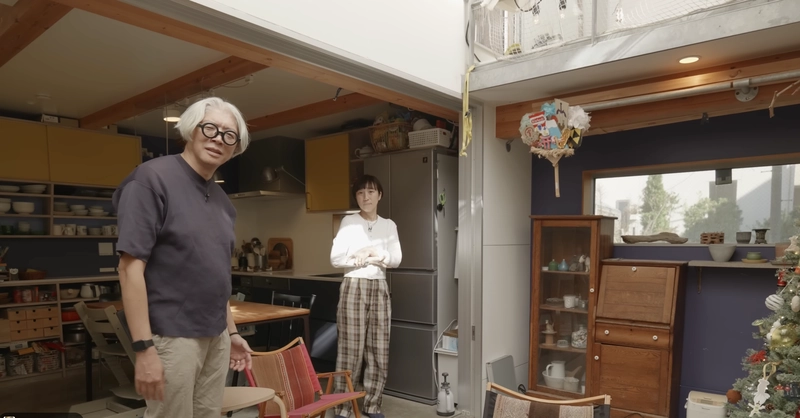
While minimalism remains popular, we are seeing a “maximalist-lite” trend where homeowners use bold colors and personal artwork to define their space. Do not be afraid of color; some of the most sophisticated small homes successfully utilize five or more distinct hues to create vibrancy.
Your home should be a gallery of your life. Displaying family shoes decoratively rather than hiding them, or showcasing DIY furniture and children’s calligraphy, turns a house into a home. As an interior designer, I often suggest that clients be “strict” about what they allow into their space—ensure every bowl or decorative object aligns with your aesthetic vision.
Maximizing Utility in “Dead” Spaces
Current trends emphasize utilizing every inch of a floor plan. This includes installing storage under stairs or turning a small landing into a study or “green space” for plants. Even the entrance (or Genkan) should be optimized with magnetic surfaces for reminders and hidden storage for outdoor gear.