Designing Connection: A Modern Architectural Perspective on Small-Scale Living
As an architect, I view the structures we inhabit not merely as shelters, but as the silent conductors of our daily lives. Modern living increasingly demands a shift away from sprawling footprints toward a more intentional, compact philosophy. My own experience living in a 57-square-meter (613-square-foot) home in Tokyo with my wife and three children has reinforced a vital truth: architecture is the art of maximizing connection while minimizing excess.
The Mastery of Spatial Efficiency
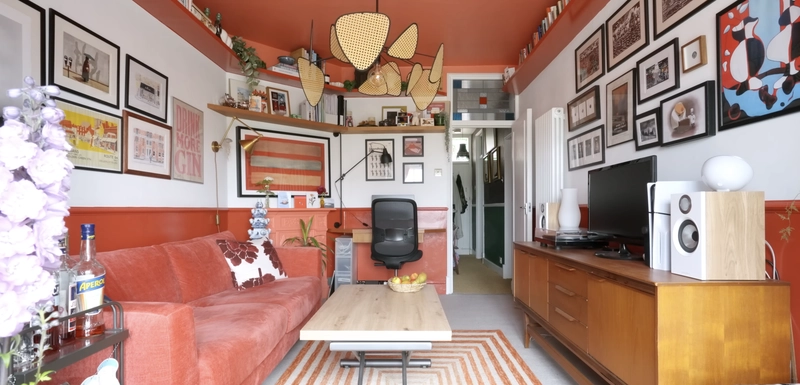
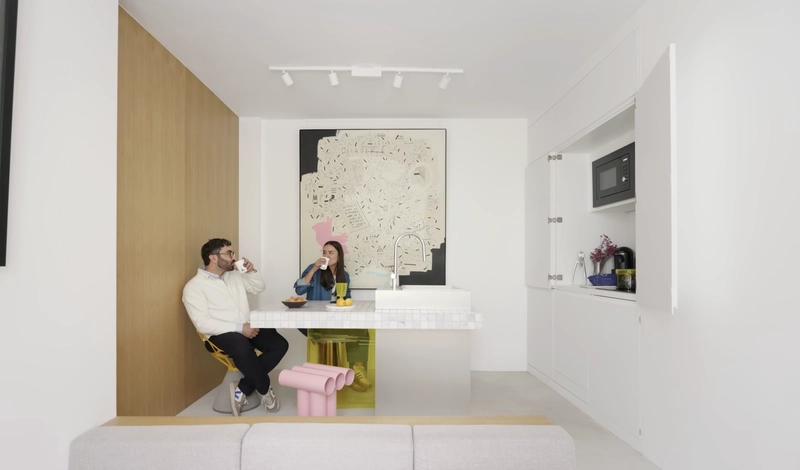
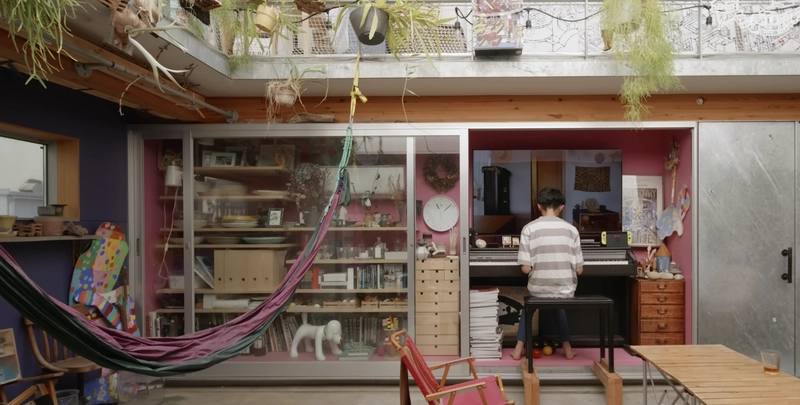
In a small-scale environment, every square inch must be curated for multifunctional utility. Spatial efficiency is not just about fitting things in; it is about how a space adapts to the family’s rhythm. For instance, the traditional concept of a “living room” can be distilled down to three essential items—a TV, a piano, and a sofa—which anchor the space’s identity.
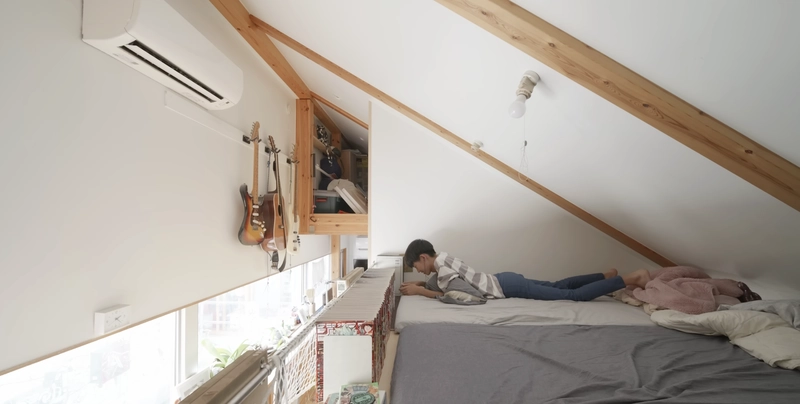
To achieve true efficiency, we must integrate functions. In my home, we replaced a standard ladder with a integrated shelf-ladder to access sleeping areas, ensuring that the transition between levels also serves as vital storage. Similarly, utilizing the space under the stairs for a toilet or using futons instead of permanent beds allows rooms to remain flexible for homework or play during the day. This “compactness” creates a unique psychological benefit: the house is intimate enough that I can always feel the presence and laughter of my family.
Blurring the Lines: Architecture and Nature
One of the most profound influences architecture can have on modern living is the restoration of our link to the natural world. Even in a dense urban environment like Tokyo, we can “always feel nature” by simply using the sky. By designing a living room with no roof, the sky becomes a dynamic ceiling that changes with the seasons.
To enhance this relationship, the boundary between “inside” and “outside” should be blurred. We achieved this by using the same colors and flooring materials for both the interior and the open-air balcony, making them feel like a singular, continuous space. Furthermore, dedicated green spaces—specifically painted and prepared to handle water—allow us to grow plants and bring organic life directly into the heart of the home.
Sustainable Materials and Long-Term Vision
Sustainability in architecture often starts with material reuse and longevity. Incorporating “found” objects, such as a door salvaged from a Public School in New York City, adds a layer of history and character while reducing waste. We also experiment with unconventional materials, such as a chair made of paper, which can be reinforced or repaired over time to extend its lifecycle.
However, true sustainability also involves designing for the future. Architects must look beyond the immediate needs of a family. While my house currently accommodates five people, I designed it with the realization that the time spent with children is relatively short compared to the decades my wife and I will spend there alone. This long-term conceptual approach ensures the home remains functional and relevant for 30 or 40 years, rather than requiring major renovations as family dynamics shift.
Architecture, at its best, is a tool for harmony. By prioritizing spatial ingenuity, a connection to the sky, and a thoughtful approach to materials, we create spaces that do not just house us, but truly sustain us.