The Architecture of Intimacy: Designing for the Modern Footprint
In the contemporary urban landscape, the role of the architect has shifted from merely constructing buildings to meticulously choreographing the experience of limited space. As we move toward denser city living, the challenge lies in how we can influence modern life through spatial efficiency, the thoughtful application of sustainable materials, and a re-imagined relationship with nature.
The Power of Spatial Efficiency
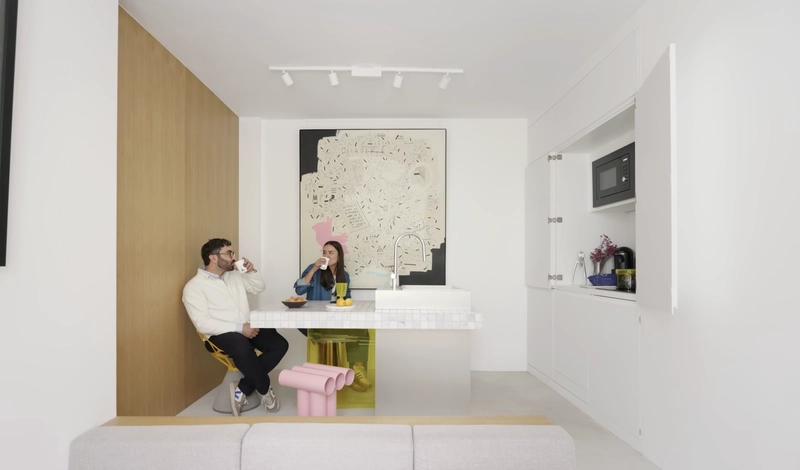
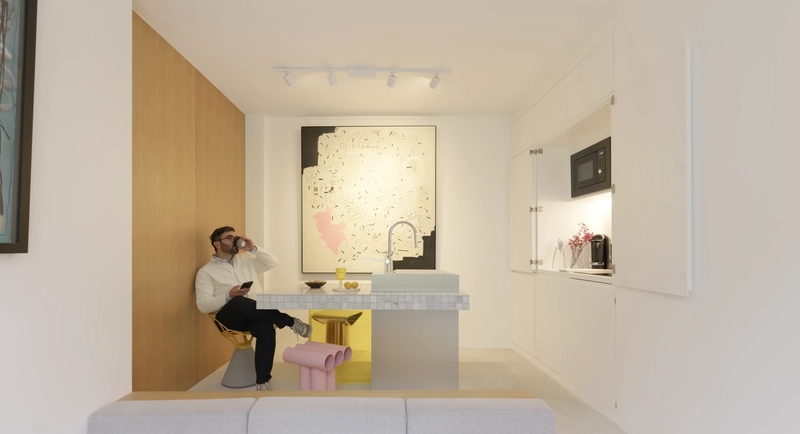
Modern living often demands that we do more with less. In a compact 40-square-meter flat, every millimeter must be intentional. We achieve this by optimizing layouts to prioritize function; for instance, by relocating essential fixtures like sinks and toilets to rear walls, we can reclaim enough space to accommodate a full-size bathtub in a small footprint.
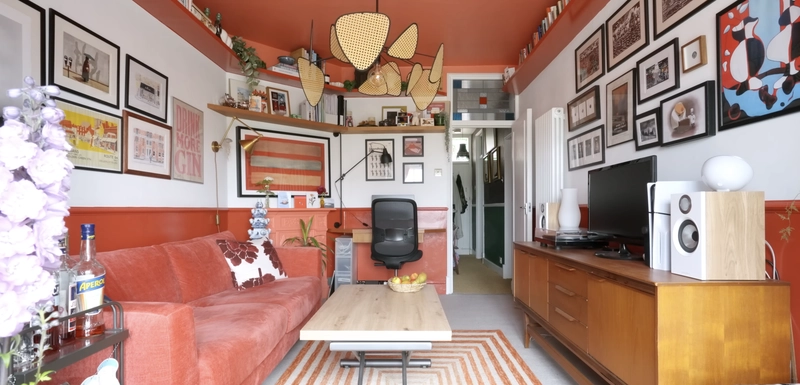
Efficiency is also found in multi-functional design. A living room is no longer just a sitting area; it can serve as an office and a guest bedroom through custom-built furniture like sofas that double as beds. By fixing desks and bedside tables directly to walls, we preserve valuable floor space, allowing for easier movement and additional storage underneath. Furthermore, utilizing verticality—such as installing shelving and wardrobes that extend all the way to the ceiling—ensures that the storage problem is solved without encroaching on the living area.
Materiality and Longevity
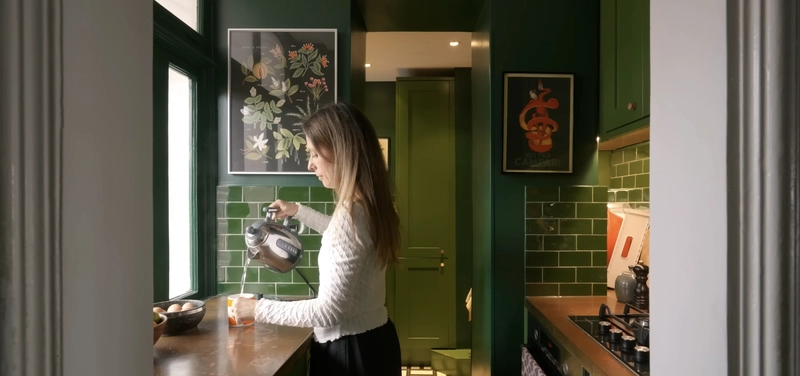
The materials we choose define the “soul” of a home. There is a growing movement to blend historical features with modern finishes to create a space that feels both grounded and new. For example, using Victorian-period materials like metro tiles alongside copper kitchen counters provides a sense of warmth.
Sustainability in architecture is often about longevity and the beauty of aging. Selecting materials like copper for countertops is a deliberate choice; the way it patinas over time is a quality that celebrates the history of the home’s use. Additionally, incorporating handmade elements, such as Moroccan tiles or custom fiberboard shelving, brings a human touch to the industrial nature of modern apartments.
Bringing Nature and Light Inward
In dense environments, the relationship between architecture and nature must often be symbolic or atmospheric. When physical green space is unavailable, we use color theory to bridge the gap. Applying rich green tones to cabinetry and walls can broaden the visual perception of a room, making it appear larger while providing a “cozy” connection to natural hues.
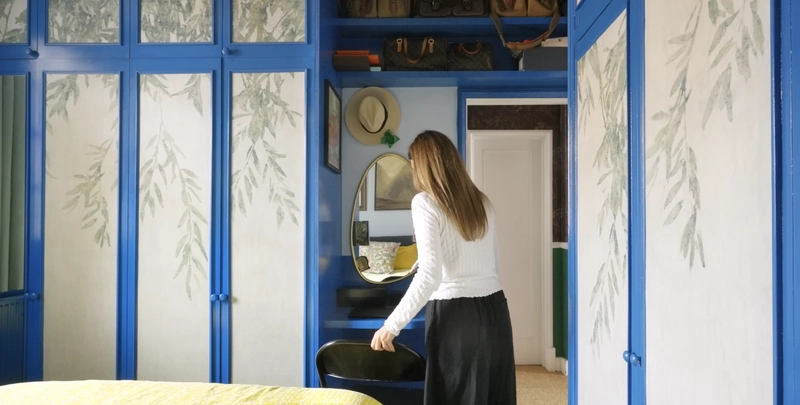
We also employ architectural “tricks” to simulate a connection to the outdoors. In rooms lacking expansive views, paneling combined with specific wallpaper can give the impression of windows with nature behind them. Light management is equally crucial; using fluted windows allows for an influx of natural light during the day while maintaining necessary urban privacy. Even the choice of a translucent curtain in a bathroom helps keep the space feeling open and airy rather than confined.
Conclusion: A Functional Flow
Ultimately, my approach as an architect is that every object must meet a function. By focusing on the layout and flow of a space before diving into decoration, we ensure that the home makes the most of its storage and creates distinct zones for different experiences.
Designing a small modern home is much like navigating a complex puzzle; it requires moving the pieces with precision so that the final picture feels expansive, even when the borders are tight.