The Art of Inhabiting: How Architecture Shapes Modern Urban Life
In the modern urban landscape, architecture is more than just the shells we occupy; it is the silent choreographer of our daily routines. As an architect, I see our task as a delicate balance between preserving the soul of the past and engineering the functionality of the future. Modern living, particularly in dense urban centers like Paris, demands a shift from expansive square footage to thoughtful spatial efficiency and a renewed commitment to sustainable material use.,
The Intelligence of Spatial Efficiency
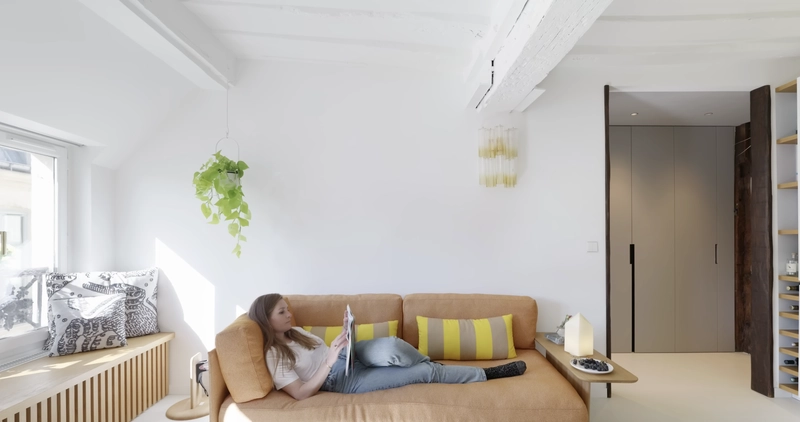
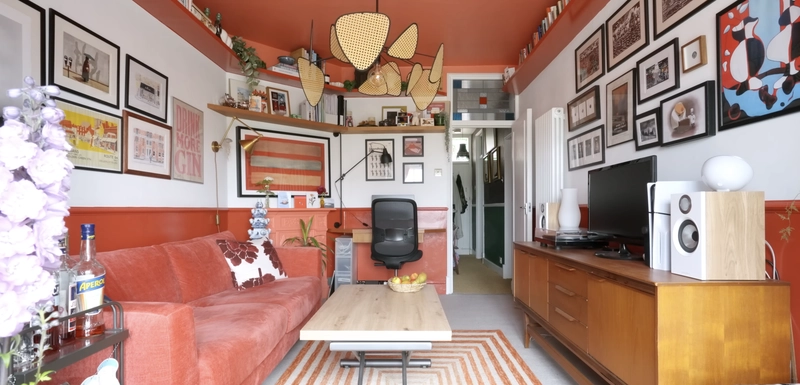
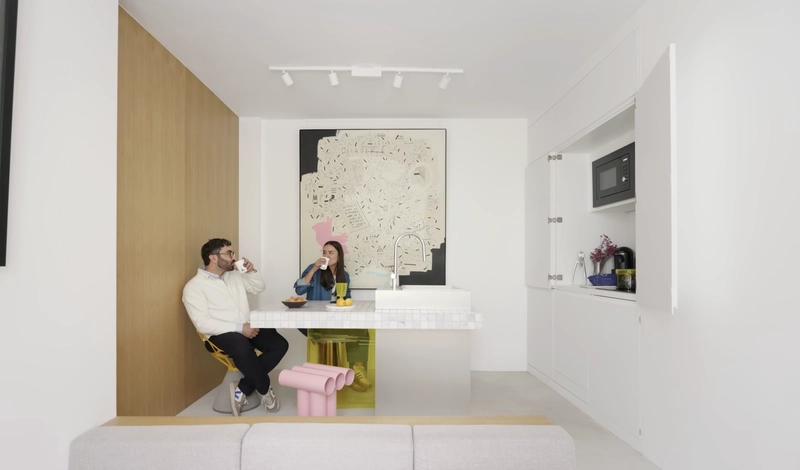
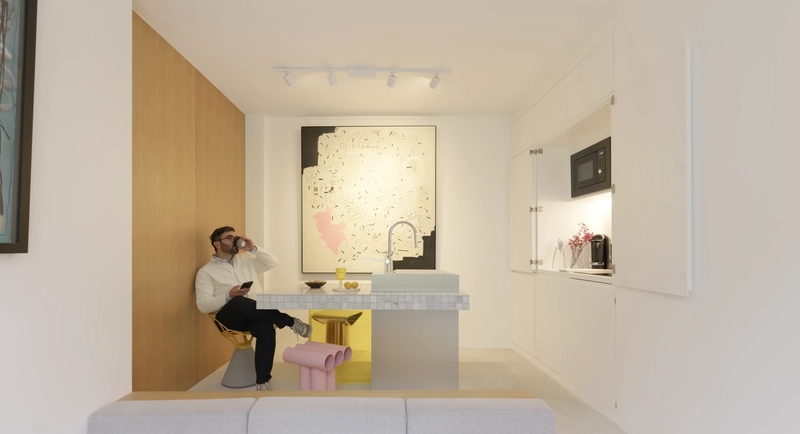
The primary challenge of modern architecture is to create a sense of expansiveness within a limited footprint. We see this in the transformation of historical structures, such as the 17th-century buildings in central Paris, where small, neglected studios are combined to create cohesive, multifunctional homes., Spatial efficiency is achieved through the “white box” concept—creating a clean, minimalist backdrop that allows the architecture to feel airy and unconfined.,
To maximize utility, every inch must be intentional. This includes:
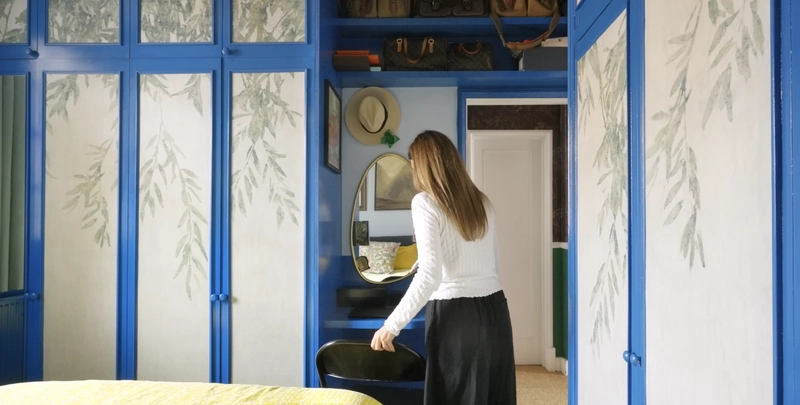
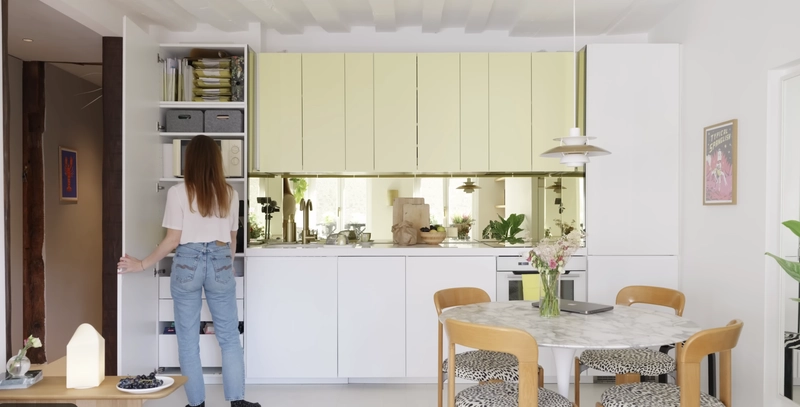
• Hidden and Integrated Storage: Utilizing every architectural niche, such as squaring off old chimney flues for hidden storage or building deep drawers into window benches., Even the space under the bed or behind a headboard can be repurposed for office supplies and household items.
• Modular and Flexible Furnishings: Modern living requires versatility. Using modular sofas that can be reconfigured as day beds and stools that serve as coffee tables or extra seating allows a space to adapt to social needs without feeling cluttered.,
• Seamless Integration of Amenities: By custom-fitting appliances into vertical cabinetry and using flush-mounted switches and baseboards, we maintain the visual continuity of the “white box,” ensuring that the presence of modern technology does not overwhelm the living space.,,
Sustainability Through Preservation and Material Reuse
In architecture, the most sustainable building is often the one that already exists. Refurbishing historical structures allows us to keep the city’s history alive while making it livable for a modern population. This approach prioritizes the restoration of original structural elements, such as 17th-century wooden pillars and ceiling beams, rather than replacing them with new, carbon-intensive materials.,
Sustainability also manifests in mindful material selection and the reuse of “waste.” For instance, leftover wooden floor planks can be reimagined as a wood-paneled headboard, reducing material disposal and creating a cohesive design language. Furthermore, blending custom craftsmanship with accessible, mass-market structures—such as using IKEA frames with customized fronts—demonstrates a practical approach to sustainable design that focuses on longevity and personal expression over disposable trends.,
Architecting a Relationship with Nature
Despite the constraints of the city, architecture must foster a connection to the natural world. This is not always about sprawling gardens; in an apartment setting, it is about capturing natural light and framing the urban view.,
We use mirrors strategically to reflect light from windows, casting a warm glow throughout the room and visually blurring the boundary between the interior and the outside world., The use of natural materials, such as oak shelves, white marble, and textured lime plaster, provides a tactile connection to the earth that contrasts with the “regular” surfaces of modern construction., By creating dedicated “sunny reading spots” near windows and incorporating plants into the interior, we create a “sunny retreat” that mitigates the potential claustrophobia of urban density.,
Conclusion
Architecture’s influence on modern living lies in its ability to transform a “bad condition” into a sanctuary. By prioritizing spatial intelligence, the preservation of history, and a material connection to the natural world, we create homes that are not just places to sleep, but environments that enhance our well-being and connectivity to the city around us.,