The Art of the Contemporary Sanctuary: Designing for Serenity and Soul
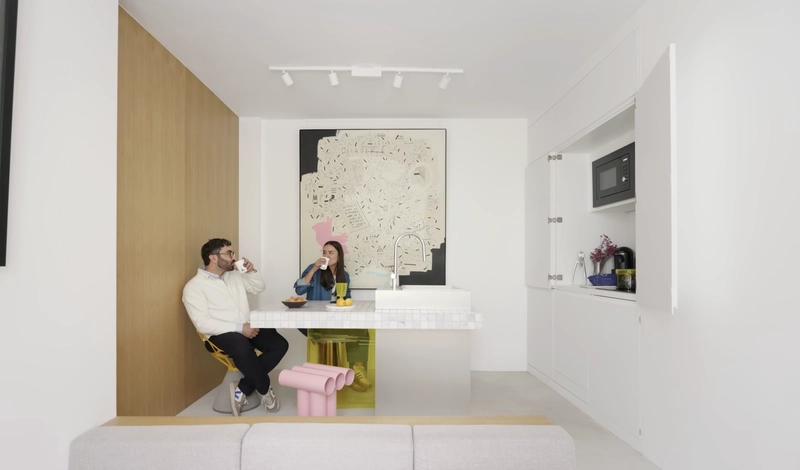
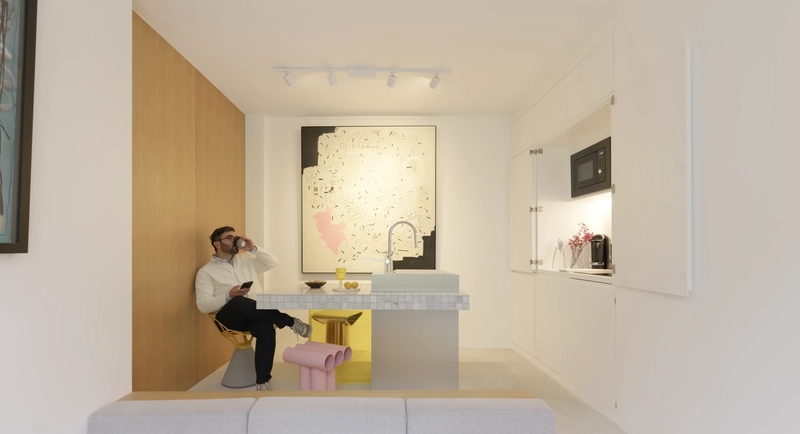
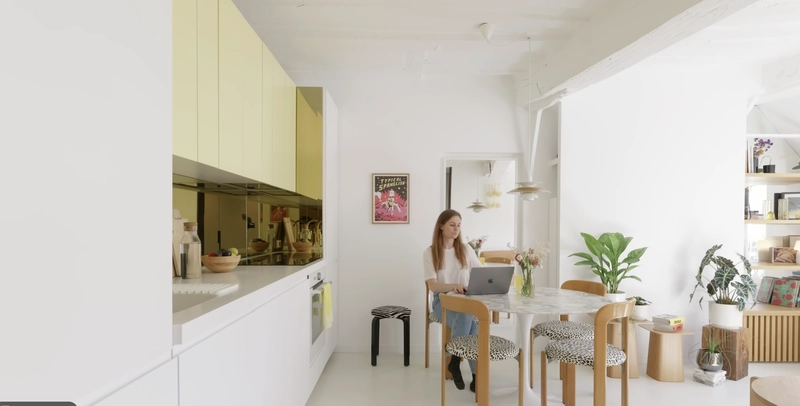
In the modern world of interior design, we are moving away from mere aesthetics and toward a philosophy of functional minimalism. The goal is no longer just to fill a room, but to create a “contemporary minimalist white box” that serves as a canvas for both daily life and historical preservation. Whether you are working with a sprawling estate or a compact 42sqm urban apartment, the choices you make regarding layout, materials, and light directly dictate your comfort and mood.
Embracing the “White Box” with Historical Soul
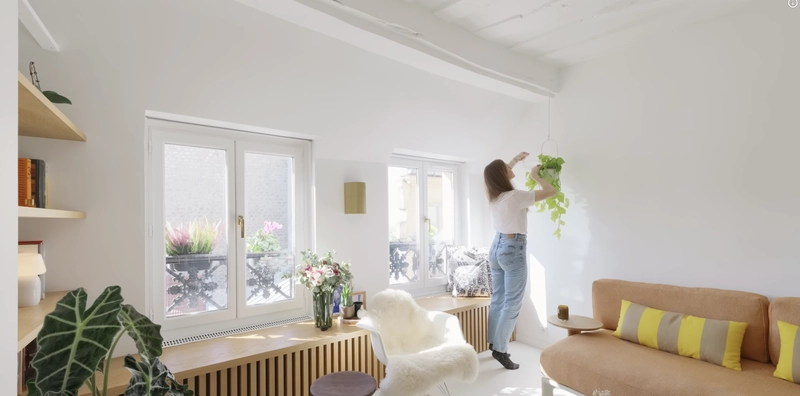
One of the most compelling current trends is the juxtaposition of sleek, modern finishes with restored historical elements. By stripping a space back to its architectural “bones”—such as 17th-century wooden structural pillars or exposed ceiling beams—and painting the surrounding surfaces in shades like powder parchment gray or crisp white, you create a dialogue between the past and the present. This approach highlights the history of a building while ensuring the space feels vibrant and contemporary rather than dated.
Design Choices for Mood and Softness
The physical lines of your home profoundly affect your psychological state. To avoid a space feeling rigid or confining, experts recommend incorporating soft furniture, curved lines, and rounded details. For instance, a vanity with a rounded edge or a circular sink adds a layer of softness that is particularly appreciated in private areas like bathrooms, fostering a sense of “serenity and sophistication”.
Materiality also plays a vital role in setting the tone:
• Texture and Light: Using white resin on wooden floors can highlight the natural ripple texture of the material while maximizing the reach of natural light.
• Tactile Comfort: Utilizing velvet curtains instead of traditional cupboard doors or applying textured lime plaster to walls creates a sensory-rich environment that feels warm and inviting.
• The Power of Mirrors: Beyond their utility, mirrors should be used strategically to reflect natural light, adding a “soft warm glow” to a room and making smaller quarters feel significantly larger than they are.
The Designer’s Toolkit: Flexibility and Function
To maintain an uncluttered environment—which is essential for a calm mind—functionality must be integrated into the very architecture of the home.
1. Modular and Multi-purpose Pieces: Choose furniture that adapts to your needs. A modular sofa can be rearranged for social gatherings or used as a daybed for guests, while stools can transition from coffee tables to plant stands or extra seating.
2. Bespoke Integration: To keep a space looking tidy, consider “hiding” the mundane. This includes creating niches for roller blackout curtains, using custom cabinetry to blend appliances like fridges and dishwashers into the walls, and designing “invisible” storage under beds or inside headboards.
3. High-Low Customization: You can achieve a high-end look on a budget by using standard furniture structures (like Ikea) and pairing them with customized fronts or high-quality hardware, such as a golden faucet or a statement marble tabletop.
Hospitality-Inspired Luxury at Home
A rising trend in residential design is the “hotel-inspired” bedroom and bath. This involves designing private spaces to feel like a “sunny retreat”. Practical touches include installing master switches beside the bed that control all room lighting and utilizing LED coves in showers to provide an “intriguing glow” that accentuates tile textures. By treating the bathroom as a spa-like environment with wall-to-wall mirrors and deep, high-quality sinks, you elevate a routine space into a place of daily rejuvenation.
Ultimately, interior design is about more than decor; it is about restoring the structure of our lives. By making a space as functional as possible and keeping its history alive, we create homes that are not just livable, but truly comfortable for everyone.