The Art of the Layered Narrative: Elevating Urban Living Through Thoughtful Design
In the modern landscape of interior design, we are moving away from sterile, one-size-fits-all aesthetics toward an urban sensibility that prioritizes a richness of materials and colors without feeling overdone. A truly successful home is more than a collection of furniture; it is a layered narrative that reflects the unique personality and design sensibility of its inhabitants. As we look at current trends, particularly in vibrant urban hubs like Milan, the focus has shifted toward creating spaces that are both functionally ingenious and emotionally resonant.
The Immersive Power of Color
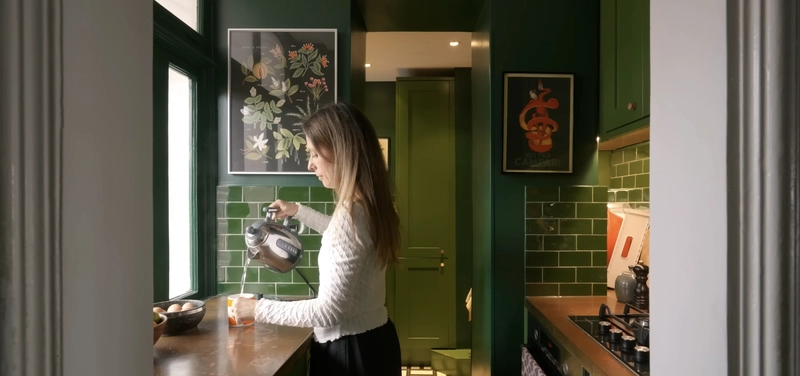
One of the most significant trends today is the use of color as an immersive tool to define a home’s mood from the moment you cross the threshold. We are seeing the rise of the “color box” entrance, where an entire entryway is treated with a singular, bold palette—often paired with traditional elements like cement tiles—to create a transitional experience.
To affect mood, consider how color is applied to the verticality of a room:
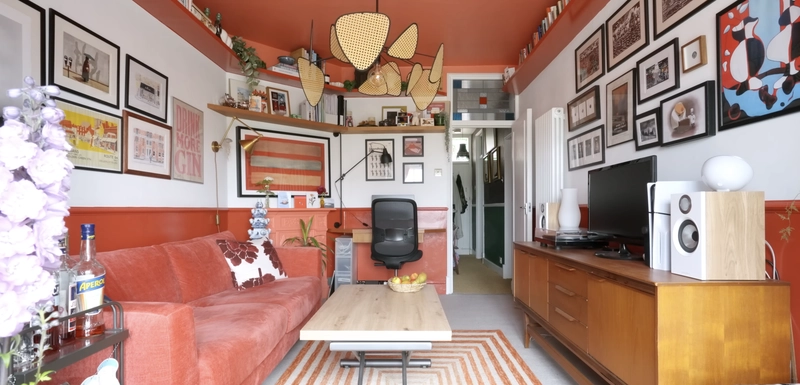
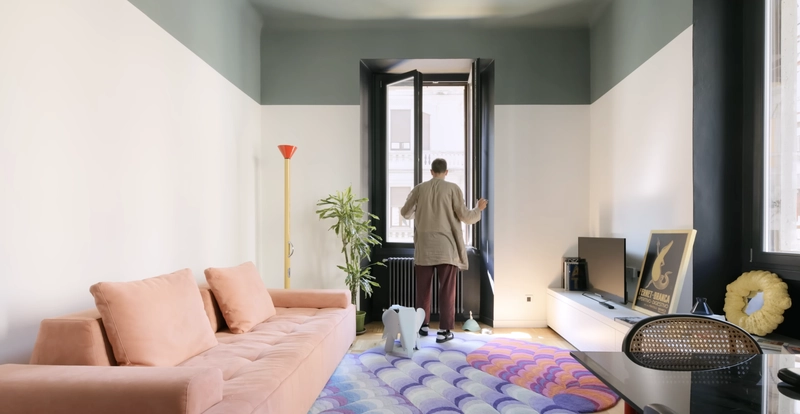
• For Relaxation: In living areas, applying deep tones, such as teal, to the upper portion of the walls can create an immersive feeling that envelops you while seated.
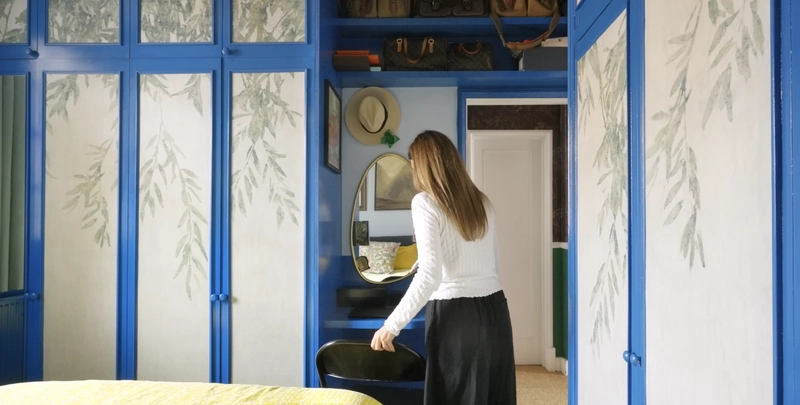
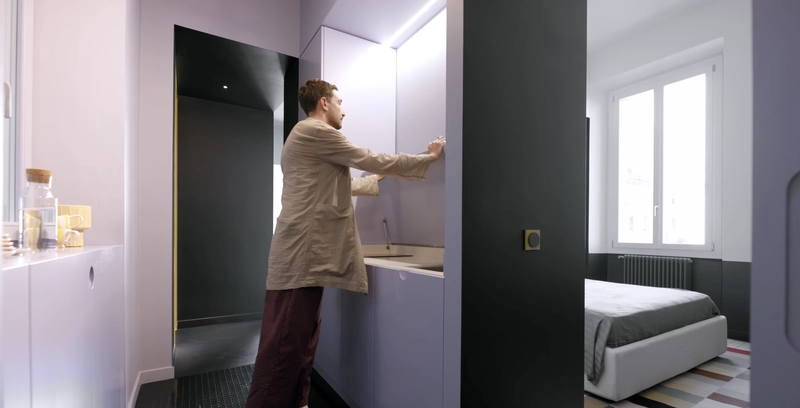
• For Rest: In the bedroom, which should serve strictly as a place for rest, an inverse color scheme (light tones above and darker tones below) can ground the space and promote tranquility.
The “Hidden” Design Revolution
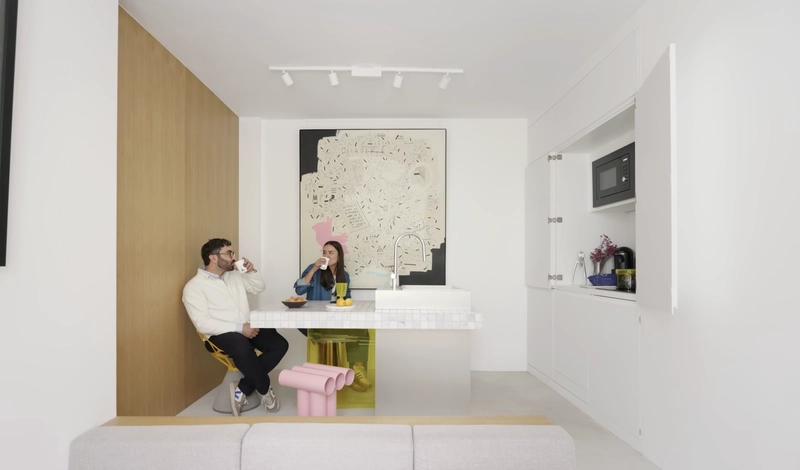
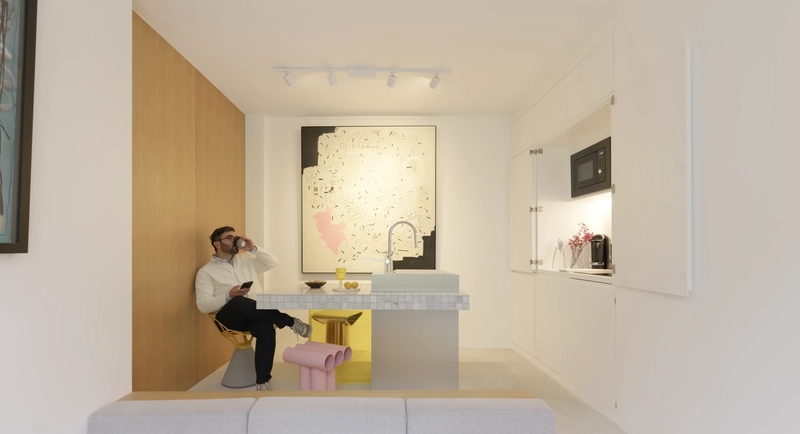
As urban apartments often face space constraints, the trend of “unkitcheny kitchens” has become a hallmark of sophisticated design. The goal is to make the telltale signs of a kitchen disappear when not in use so the area can function as a sleek corridor or social space.
Specific Advice: To achieve this, utilize flip-down shelves that hide countertops and carved door handles that sit flush with cabinetry. Incorporating invisible LED strip lights and hiding appliances, such as air conditioners, above entryways ensures the architectural lines of the home remain clean and undisturbed. By removing visual “clutter,” the home feels more like a sanctuary and less like a workspace, significantly enhancing daily comfort.
Materiality and Radical Texture
We are seeing a departure from standard patterns toward more intentional materiality. While traditional herringbone parquet remains popular, modern experts are opting for square tile parquet to provide a fresh, geometric perspective.
Don’t be afraid to mix eras and textures:
• 70s Radical Design: Incorporating decorative laminates on multi-functional furniture, such as a low bench that serves as a TV stand, dining seat, and display surface, adds a bold historical layer.
• Contrast in Surfaces: Pairing smoked black glass table tops with red metal structures creates a sophisticated, industrial-chic contrast.
• Glossy Finishes: In smaller areas like the bathroom, glossy tiles can give a space a strong identity while helping to bounce light in windowless or compact zones.
Maximizing Every Square Inch
Current trends emphasize that functionality and beauty are not mutually exclusive, even in the most compact layouts. The use of bespoke, multifunctional furniture is essential. For instance, a custom-made wardrobe in an entrance can serve as the primary storage for the entire household, freeing up the rest of the living space from bulky furniture.
In the bathroom, look for slim fixtures specifically designed for limited footprints to ensure the room remains airy and navigable. Even the shower can be reimagined as a hybrid space; by using custom glass doors, you can pull natural light from adjacent rooms into the shower area, making the entire home feel more continuous and expansive.