The Narrative of Space: An Architect’s Perspective on Modern Urban Living
In the contemporary urban landscape, architecture has evolved beyond the mere construction of shelter; it has become the art of crafting a “rich and layered narrative” within the constraints of modern city life. As an architect, I see our role as balancing functionality with beauty, transforming even the most irregular floor plans into spaces that reflect an urban sensibility and the unique personalities of those who inhabit them.
The Mastery of Spatial Efficiency
Modern living, particularly in historic urban centers like Milan, often requires us to find harmony within limited footprints. The challenge is not just to fit a life into a small square footage, but to do so without the space ever feeling “garish or overdone”.
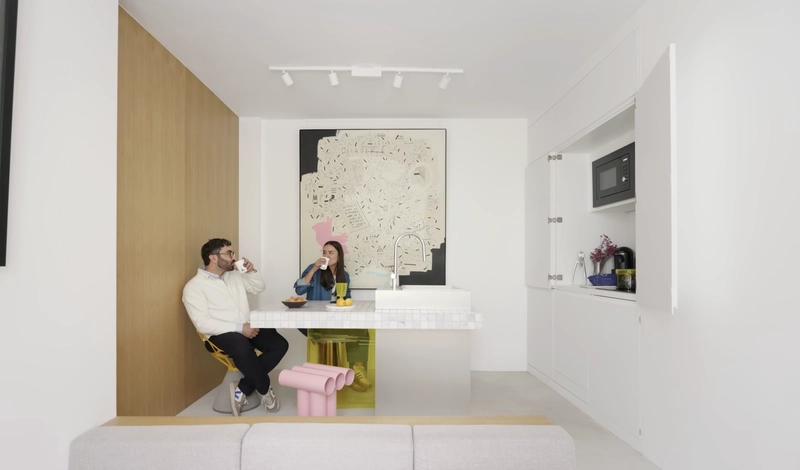
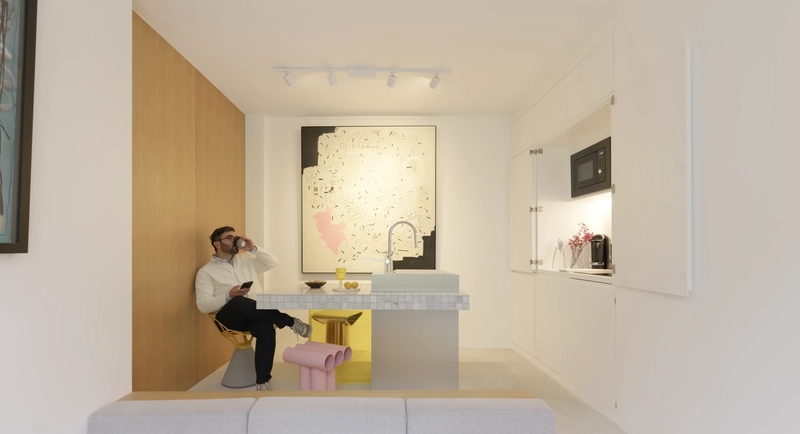
We achieve this through spatial efficiency and the integration of multifunctional elements. For instance, in a 50-square-meter apartment, we can relocate a kitchen to a corridor to reclaim the living area for rest and social interaction. By designing a “hidden kitchen” with a flip-down shelf that conceals the countertop when not in use, the kitchen disappears, allowing the corridor to function as a sideboard.
Efficiency is further enhanced by:
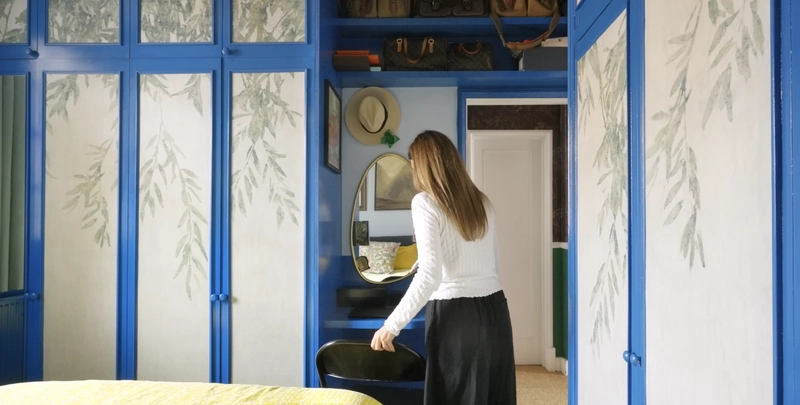
• Custom-integrated storage: Using niches for washing machines or wardrobes that serve as the main storage for the entire household.
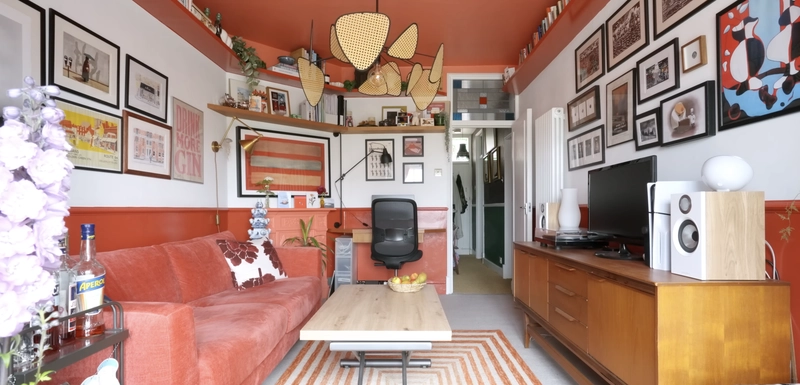
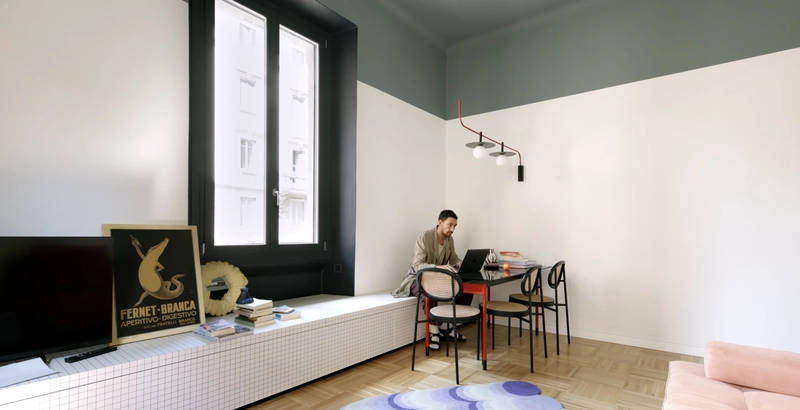
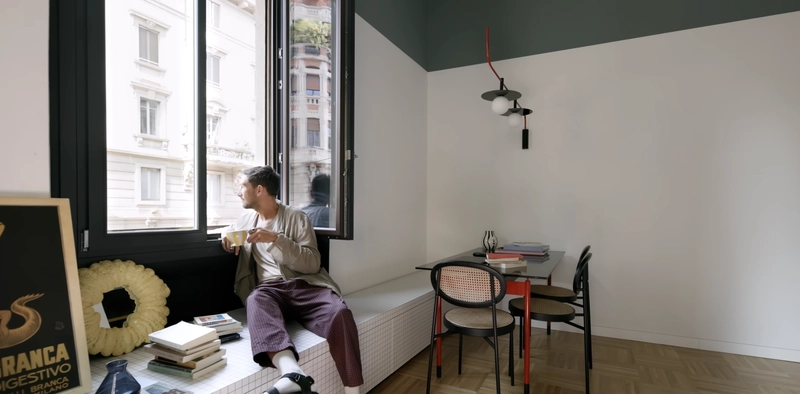
• Multifunctional furniture: A low bench can serve as a dining seat, a television stand, and a display surface for objects.
• Slim-profile fixtures: Selecting “slim” models for bathroom fixtures allows us to maximize utility in tight quarters.
• Cavity-sliding elements: Utilizing wooden shutters that slide directly into the wall cavity ensures that window treatments do not occupy precious floor space.
Sustainable Materials and Timeless Design
While the sources do not explicitly use the term “sustainability” in a green-energy context, they emphasize a core tenet of sustainable architecture: longevity and quality. Moving away from “poor quality materials” toward a “richness of materials” ensures that a home remains functional and beautiful for decades.
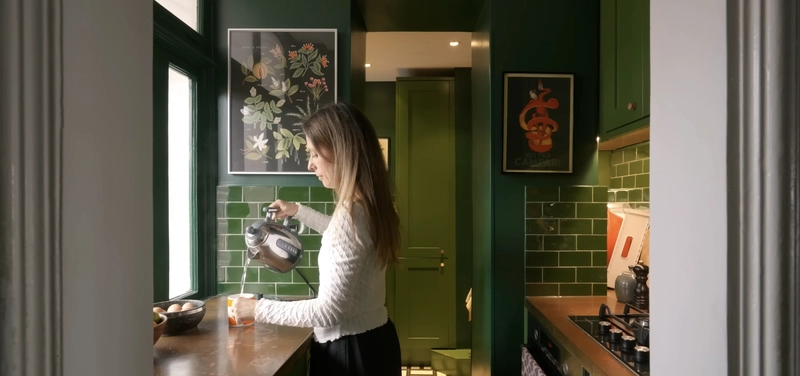
The choice of materials—such as mosaic factory cement tiles, parquet flooring in square patterns, and glossy ceramic tiles—creates a strong identity and a sense of “timeless design”. Incorporating elements like decorative laminates inspired by 70s radical design or custom metal structures with smoked glass tops allows us to blend historical appreciation with modern durability. This approach to materials prioritizes the “architectural charm and historical value” of a building while updating it for contemporary use.
Architecture, Nature, and the Utility of Light
In dense urban environments, the relationship between architecture and nature is primarily mediated through natural light. Our goal is to ensure that light penetrates even the most private or internal zones of a home.
By using custom glass doors, we can bring natural light into areas like the shower, creating a “hybrid space” that feels continuous with the rest of the home. This integration of light, combined with minimalistic bedroom designs that serve strictly as places for rest, helps foster an atmosphere of calm and connectivity to the outside world.
Ultimately, modern architecture is about more than just a floor plan; it is about creating an immersive feeling through color, light, and materiality. Whether it is a “color box” entrance or a hidden air conditioner, every detail serves to enhance the quality of life within the urban fabric.